Views: 0 Author: Site Editor Publish Time: 2025-10-07 Origin: Site


Language and pronunciation are the foundations of communication and cognitive development in early childhood. During the formative years, children’s brains are highly receptive to linguistic input and sensory stimulation. The way they perceive sounds, repeat words, and connect meanings determines how effectively they acquire their first language. Modern educational tools have introduced new methods to make this process more engaging and effective — one of the most notable being the sound book.
Sound books combine visual, auditory, and tactile learning into a single interactive experience. Unlike traditional picture books, they produce sounds, music, or spoken words when children press buttons or touch certain parts of the page. This multi-sensory stimulation not only holds a child’s attention but also strengthens memory retention and pronunciation accuracy.
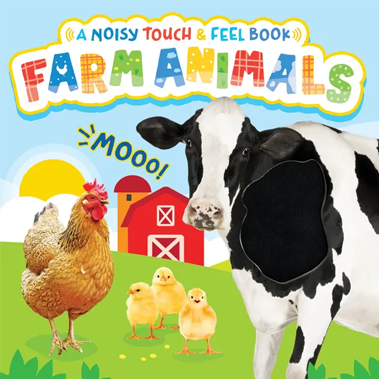
A sound book is an interactive book that integrates text, illustrations, and audio to create an engaging learning experience. These books usually feature embedded sound modules that play music, songs, or spoken words when a button is pressed. Some models even include motion sensors or touch-sensitive areas that respond to a child’s touch.
Sound books are particularly designed for infants and preschoolers, as they cater to their natural curiosity and love for sounds. The audio elements can range from simple animal sounds and nursery rhymes to bilingual storytelling, depending on the child’s developmental stage.
Typical features include:
Button-triggered sounds: Children press illustrated buttons to hear corresponding sounds such as “Dog – woof,” “Car – vroom,” or “Rain – drip-drop.”
Music and rhythm: Rhymes and melodies enhance children’s sense of rhythm and tone, important components of speech development.
Visual-auditory connection: When a child sees an image and hears the sound simultaneously, it reinforces word meaning and memory.
For example, HERO ELECTRONICS Nursery Rhyme Sound Book is designed for toddlers and early learners. It features high-quality sound modules, child-safe materials, and vibrant pages that encourage active participation. With songs, animal sounds, and interactive storytelling, this type of sound book introduces vocabulary and pronunciation in a fun and safe way.
Sound books are not just toys — they are powerful educational tools that make language learning enjoyable and memorable. Here are the main ways they support linguistic development:
Children learn words faster when they can see, hear, and interact with them. A sound book connects images with sounds and written words, forming strong associations.
For instance, when a child presses a button and hears “Dog – woof,” they link the sound to both the image and the spoken word. Over time, this multi-sensory repetition strengthens vocabulary recall and comprehension.
Sound books also cover diverse themes — animals, vehicles, foods, colors, and daily routines — helping children build a broad and practical vocabulary base.
Many sound books include songs, dialogues, and rhymes, which naturally expose children to sentence structures and grammatical patterns. By listening to rhythmic phrases like “The cat is sleeping” or “I love my mommy,” children intuitively absorb grammar rules without formal instruction.
Repetitive lyrics and rhyming lines also make it easier to internalize sentence flow and syntax, helping children construct their own sentences more confidently.
Sound books train children to listen actively. As they follow stories or songs, they learn to differentiate between sounds, voices, and tones — skills essential for comprehension.
Hearing different voices or sound effects also helps them interpret context, emotions, and intentions within spoken language, making them better listeners and communicators.
The combination of sound and print helps children recognize the connection between spoken and written language. This correspondence is the basis of phonics, which prepares them for independent reading.
By pressing buttons and hearing sounds linked to words or letters, children start to associate letters with their phonetic sounds — an essential step toward literacy.
While vocabulary and comprehension are important, pronunciation is the heart of spoken communication. Sound books uniquely support this aspect by providing accurate audio models and allowing for repetition, imitation, and self-correction.
Children naturally learn to speak by listening and imitating. Sound books provide consistent, clear examples of correct pronunciation. When children hear “apple,” they can repeat it aloud and compare their voice to the model. This process encourages self-awareness and gradual improvement.
The ability to replay sounds on demand allows children to practice at their own pace without feeling pressured — a key factor in building confidence and fluency.
Phonemic awareness is the ability to recognize and manipulate individual sounds (phonemes) in words — for example, distinguishing between /b/ and /p/.
Sound books designed with phonics or letter-sound activities help children notice these subtle differences. By pressing buttons to hear sounds like “buh,” “puh,” or “tuh,” they strengthen auditory discrimination, which is crucial for accurate pronunciation and reading development.
The musical elements in sound books, such as nursery rhymes and songs, introduce children to the rhythm and melody of speech. Language has its own natural music — variations in stress, pitch, and tempo — and children who are sensitive to rhythm tend to speak more expressively.
Singing along with songs helps them master intonation, making their speech sound natural and emotionally expressive rather than robotic.
Because sound books turn learning into play, they reduce the anxiety often associated with language learning. Children feel free to experiment, repeat words, and even make mistakes without judgment.
This positive, game-like environment helps children gain confidence in speaking, an essential trait for communication inside and outside the classroom.
Sound books do far more than build vocabulary and pronunciation — they nurture a child’s holistic development through interactive, multisensory engagement. These books stimulate the mind, body, and emotions, contributing to well-rounded growth in several key areas:
Cognitive growth: The act of linking sounds, pictures, and actions enhances a child’s ability to process information, recall sequences, and form logical connections. Over time, these skills strengthen memory and reasoning abilities.
Fine motor skills: Turning pages, pressing sound buttons, and pointing at illustrations help refine hand-eye coordination and finger dexterity, which are essential for writing and daily tasks.
Emotional bonding: When parents and children read sound books together, it creates moments of shared joy and closeness. This routine fosters emotional security and strengthens the parent-child relationship.
Creativity and imagination: Sound books often feature animal noises, musical effects, or character voices that inspire children to imitate, role-play, or invent their own stories. This type of imaginative play is vital for cognitive flexibility and emotional expression.
Attention and focus: Because sound books engage multiple senses, they help young learners maintain concentration longer, an important skill for future academic success.
Through these combined benefits, sound books support the whole child, not just their language ability — cultivating curiosity, creativity, and confidence along the way.
Sound books can be seamlessly integrated into different aspects of a child’s daily life, making learning both natural and enjoyable.
At home: Parents can use sound books during bedtime stories, playtime, or daily routines. By reading together and mimicking sounds, children practice pronunciation while bonding with their parents. Parents can also ask guiding questions like “What sound does the cow make?” or “Can you say that word again?” to deepen engagement.
In preschools and kindergartens: Teachers frequently incorporate sound books into group storytelling sessions, phonics lessons, or listening exercises. They can encourage children to repeat phrases aloud, identify sounds, or act out scenes, making classroom learning lively and interactive.
For independent exploration: Sound books are simple enough for young children to use alone. They can explore at their own pace, replaying sounds they find interesting or challenging. This self-directed learning fosters independence, focus, and a sense of achievement.
During travel or leisure: Lightweight and durable, sound books are perfect companions for long car rides or waiting rooms. They transform idle time into productive, educational moments — helping children stay entertained while continuing to learn on the go.
Their versatility and portability make sound books an ideal bridge between structured education and spontaneous exploration. Whether at home, in the classroom, or on the road, they provide endless opportunities for meaningful interaction and joyful learning.
Selecting the right sound book depends on your child’s age, interests, and learning goals. Here are key factors to consider:
Age appropriateness:
Babies (0–2 years): Choose simple sound effects and single words.
Preschoolers (3–6 years): Look for books with songs, stories, and dialogues that encourage active participation.
Safety and durability:
Opt for books made of non-toxic materials, with rounded corners and Content richness:
Books that cover multiple themes — animals, daily routines, or nature — expose children to diverse vocabulary and contexts.
Educational and entertaining balance:
The best sound books blend learning and fun, keeping children engaged while reinforcing language concepts naturally.
A product like HERO ELECTRONICS Nursery Rhyme Sound Book exemplifies these qualities — combining engaging visuals, high-quality sounds, and sturdy construction suitable for frequent use by young children.
Sound books are more than just interactive toys — they are powerful learning tools that make language and pronunciation development both enjoyable and effective. Through a combination of listening, imitation, repetition, and interaction, they strengthen vocabulary, comprehension, and phonemic awareness while nurturing creativity and confidence.
By integrating sound books into daily reading routines, parents and educators can transform ordinary storytime into an immersive, multi-sensory language experience. The result is not just improved pronunciation, but also a deeper love for learning and communication.
In essence, sound books allow children to discover language through play, turning every page, sound, and song into a joyful step toward mastering the art of speech.