Views: 0 Author: Site Editor Publish Time: 2025-10-15 Origin: Site


Early childhood is a critical period for learning, exploration, and sensory development. During these formative years, children absorb knowledge rapidly, building the foundations for language, cognition, and social interaction. Reading plays a pivotal role in this developmental journey, offering a window into new worlds, ideas, and concepts. Traditionally, picture books have been the cornerstone of early literacy, engaging children visually and fostering imagination through colorful illustrations and narratives. However, as educational research advances, a growing emphasis has been placed on multisensory learning, which stimulates multiple senses simultaneously to enhance understanding and retention.
Enter the sound book—an innovative educational tool that blends visual storytelling with auditory and tactile experiences. Unlike traditional picture books, sound books incorporate interactive elements such as buttons that trigger music, animal sounds, or character dialogues, creating a more dynamic and engaging reading experience. These books have gained popularity in homes, preschools, and early learning centers worldwide, offering children a fun yet educational way to explore stories and concepts.
A sound book is much more than a simple picture book. It is an interactive, multi-sensory learning tool designed to engage children through a combination of visual, auditory, and tactile stimuli. By integrating these sensory inputs, sound books transform reading from a passive activity into an immersive experience that encourages curiosity, exploration, and active participation.
The core features of sound books include:
Button-Triggered Sounds: Sound books typically include buttons that, when pressed, produce a variety of auditory effects such as animal calls, nursery rhymes, character dialogues, or environmental sounds. This immediate feedback provides an engaging way for children to associate sounds with images and actions.
Music and Rhythm: Many sound books incorporate classic songs, melodies, or rhymes, which help children develop a sense of rhythm, musicality, and phonemic awareness. The auditory stimulation enhances listening skills and reinforces language patterns.
Interactive Experience: Unlike traditional picture books, sound books encourage children to physically interact with the content. Pressing buttons, turning pages, or exploring different elements within the book enhances engagement and encourages active learning.
For example, HERO ELECTRONICS’ Nursery Rhyme Sound Book is designed for children aged 1–3 years. The book features large, easy-to-press buttons, clear and cheerful sounds, and durable construction to withstand frequent handling by young children. Its interactive design encourages toddlers to explore independently while enjoying educational content, making it a perfect introduction to multisensory reading.
One of the most significant benefits of sound books is their ability to support language acquisition and literacy skills in young children. By combining visual cues with auditory input, sound books provide multiple pathways for learning new words, sounds, and sentence structures.
Sound books expose children to a wide range of words and phrases through songs, dialogues, and sound effects. For instance, pressing a button to hear a cow say "moo" while seeing a cow illustration helps children connect the sound with the animal, reinforcing vocabulary in a meaningful context. Repeated exposure to these sounds and words strengthens memory and builds a growing lexicon.
Listening to repetitive rhymes, songs, and dialogues helps children internalize proper pronunciation, intonation, and rhythm. Sound books allow children to imitate sounds, which is essential for developing accurate speech and phonemic awareness. This auditory practice lays the groundwork for effective communication skills and early literacy.
By integrating audio elements with illustrations, sound books enhance understanding of narrative structure, characters, and plot. Children can follow along with the story while hearing relevant sounds, making abstract concepts more concrete. This multisensory approach improves comprehension, attention, and engagement compared to passive picture book reading.
Sound books can also support early reading skills by connecting spoken language with printed text. Children begin recognizing letters, words, and sentence patterns as they hear them spoken aloud. This simultaneous exposure to text and sound fosters a natural association between visual symbols and spoken language, promoting literacy readiness.
In addition to language, sound books provide a valuable platform for cognitive growth. The integration of multiple sensory inputs strengthens brain development and enhances several cognitive skills.
The combination of visual cues, sounds, and interactive elements helps children retain information more effectively. Music, rhymes, and repetitive auditory patterns engage both short-term and long-term memory, allowing children to recall words, phrases, and story sequences with greater ease.
Sound books encourage children to explore cause-and-effect relationships. For example, pressing a button to trigger a sound teaches children that their actions can produce predictable outcomes. This understanding of causality promotes logical thinking and problem-solving skills.
Interactive sound books capture children’s attention more effectively than static picture books. The multisensory experience encourages sustained focus, as children are actively involved in discovering sounds, melodies, and story elements. This engagement helps develop concentration and self-directed learning skills.
Music and rhymes introduce patterns in speech and melody, which are crucial for recognizing sequences and structures in language. Children learn to anticipate what comes next, whether it’s the next word in a song or the next step in a story, enhancing sequencing abilities and cognitive organization.
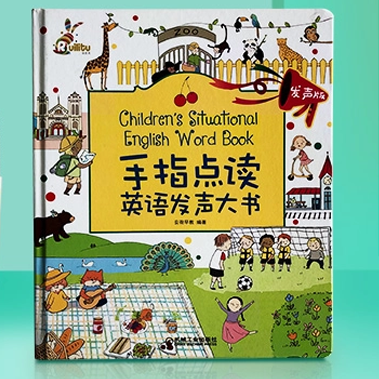
Sound books also play a role in fine motor skill development and sensory integration. Young children refine their motor abilities while engaging with these interactive tools.
Pressing buttons, turning pages, and interacting with book elements require precise hand-eye coordination. These repeated actions strengthen motor skills, preparing children for more complex tasks such as writing and drawing.
The small, repetitive movements involved in pressing buttons help develop finger strength and dexterity. These skills are essential for everyday activities, including handling utensils, drawing, and manipulating small objects.
Sound books engage multiple senses simultaneously. Visual elements stimulate sight, sounds stimulate hearing, and interactive buttons provide tactile feedback. This multisensory approach enhances children’s ability to process and integrate sensory information, which is critical for overall cognitive and motor development.
Sound books also contribute to social and emotional growth, providing opportunities for interaction, creativity, and self-expression.
Reading sound books together encourages meaningful parent-child interactions. Parents can guide children through stories, discuss characters and sounds, and sing along with songs, strengthening emotional bonds and promoting a love for learning.
Many sound books include animal sounds, character voices, or musical cues, which inspire imaginative play. Children can role-play characters, mimic animal calls, or create their own stories, fostering creativity and problem-solving.
Interactive books empower children to explore independently. By pressing buttons, discovering sounds, and participating in the story, children gain a sense of achievement and confidence. This autonomy supports self-esteem and encourages a proactive approach to learning.
A unique advantage of sound books is their ability to combine learning with entertainment, making education enjoyable and engaging.
Sound books deliver educational content through playful interactions, ensuring that children learn while having fun. Songs, rhymes, and sound effects reinforce concepts such as animal names, musical rhythms, and story sequences in an entertaining format.
The interactive nature of sound books keeps children motivated to explore and learn. Immediate auditory feedback rewards curiosity, maintaining engagement and making learning a rewarding experience.
Sound books are ideal for use in homes, preschools, and early learning centers. Educators can integrate them into lessons on language, music, and cognition, while parents can use them as part of daily reading routines to reinforce learning outcomes.
Selecting the appropriate sound book is crucial to maximize developmental benefits. Parents and educators should consider:
Age Appropriateness: Books should match the child’s developmental stage, with simpler sounds and larger buttons for infants, and more complex audio and narratives for preschoolers and early school-age children.
Safety and Durability: Ensure the book is made from non-toxic, child-safe materials and is durable enough to withstand repeated use.
Content Variety: Choose books that offer a range of sounds, music, and interactive elements to sustain interest and provide diverse learning experiences.
Parent Engagement: Select books that encourage parent-child interaction to enhance social-emotional development and reinforce learning.
Combining sound books with traditional picture books can create a rich, multisensory learning environment, giving children the best of both worlds—visual literacy and auditory engagement.
Sound books represent a transformative approach to early childhood education, offering benefits far beyond traditional picture books. By engaging multiple senses simultaneously, they foster language acquisition, cognitive growth, fine motor skills, and social-emotional development. Children can learn vocabulary, improve pronunciation, enhance memory, and strengthen hand-eye coordination while enjoying interactive stories, music, and sounds.
Moreover, sound books encourage imaginative play, independent exploration, and parent-child interaction, making learning both enjoyable and meaningful. Products like HERO ELECTRONICS’ Nursery Rhyme Sound Book exemplify how interactive design can create an immersive educational experience tailored to toddlers and preschoolers.
For parents and educators seeking to enrich a child’s early learning journey, incorporating sound books into daily reading routines is a highly effective strategy. By doing so, children can develop essential skills, cultivate curiosity, and experience the joy of learning in a multi-sensory, engaging, and playful environment.